By Kay Mancino
Have you ever read a book by Virginia Woolf? Your professor may have handed you a copy of The Waves and asked you to write a five-page paper. Maybe you stumbled across Mrs. Dalloway in your hometown library and decided to pick it up. Perhaps you watched the film Orlando because you loved Tilda Swinton and realized it is based on a novel written nearly a century ago. No matter how you discovered Woolf’s writing, you can’t ignore the distinct imagery or subtle hints at underlying motifs: grief, loss, heartbreak, gender, and love.
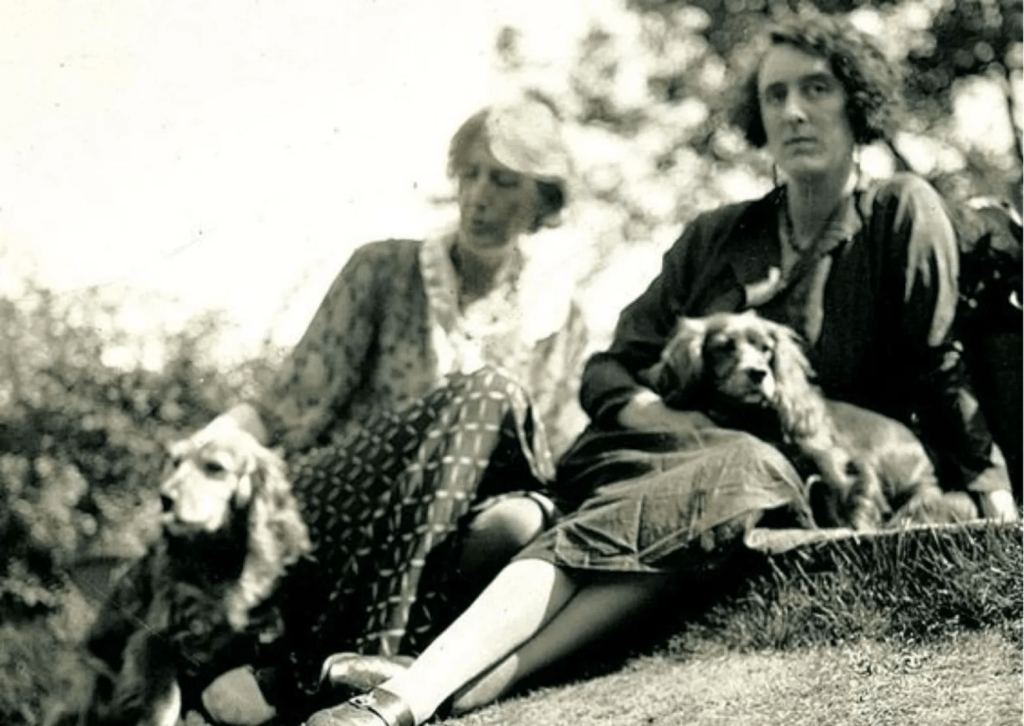
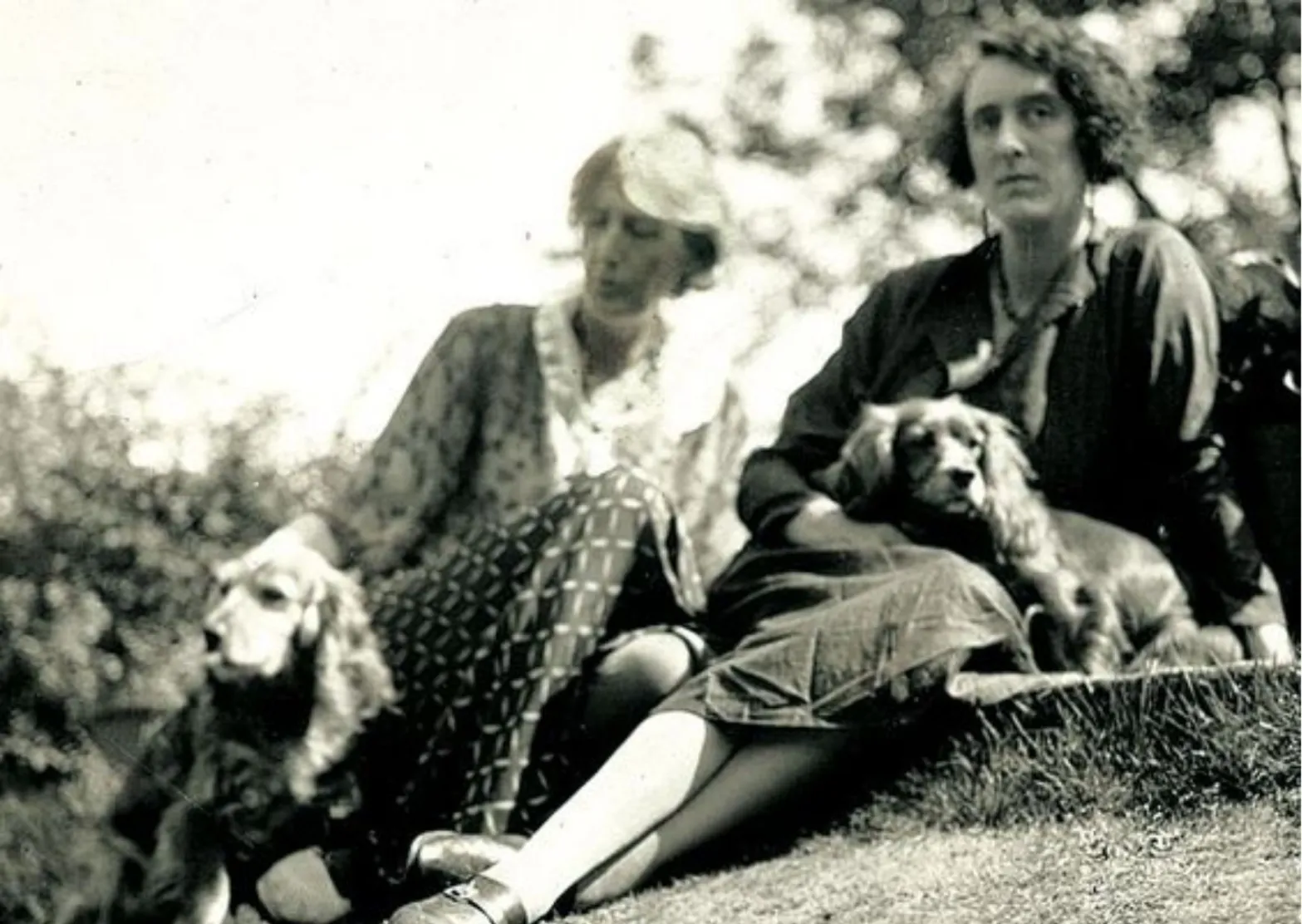
Born in 1892, Woolf explored the depths of feelings that were not often written about by female authors. For example, Orlando, published in 1928, featured a main character who switched genders from male to female. Woolf details the struggle that Orlando faced upon living as a newfound woman; unless she was married, she would lose her estate. The novel strikingly shows the power imbalance between men and women through prose which resonates with audiences of all ages and time periods. What most people don’t know is that Orlando is based on a real story and woman: Vita Sackville-West, Woolf’s long-time lover.
Sackville-West, another novelist, lost her childhood estate in Kent due to her gender. Because she was a woman and the estate must be inherited by a man, she could not inherit the Knole house. Woolf wrote Orlando in order to provide Sackville-West an alternate ending, as Orlando ends up inheriting her own estate at the crux of the novel. Despite both Woolf and Sackville-West marrying men, their relationships were open. The two women met at a costume party in 1922 and remained lovers for over a decade, exchanging letters back and forth. Sackville-West’s son, Nigel Nicholson, addressed Orlando as the “longest” love letter of all time.
Upon the publication of Orlando, Sackville-West wrote to Woolf, “The lesbians are rising throughout the States/ All because of you.” Woolf and Sackville-West’s letters were gathered and published within the collection, Love Letters, in 2021. Alison Bechdel, the author of Fun Home and creator of the “Bechdel Test,” wrote a forward for the collection. Despite the deaths of both women— Woolf from drowning and Sackville-West from cancer— their love has lasted throughout the century through the use of language and words. Woolf’s novels garnered inspiration for queer women, her icon becoming a staple for the community. The exploration of gender and identity throughout Orlando was a direct reference to Sackville-West and her challenge of societal roles.
If you have ever read a novel by Virginia Woolf, you might not have expected to relate to her words and images so wholeheartedly. But at the end of the day, despite the passing of time, Woolf was a woman in love, with Vita, with literature, and with the mystery of what emotions can bring to life through the use of words.
 Italics Mine
Leave a comment